
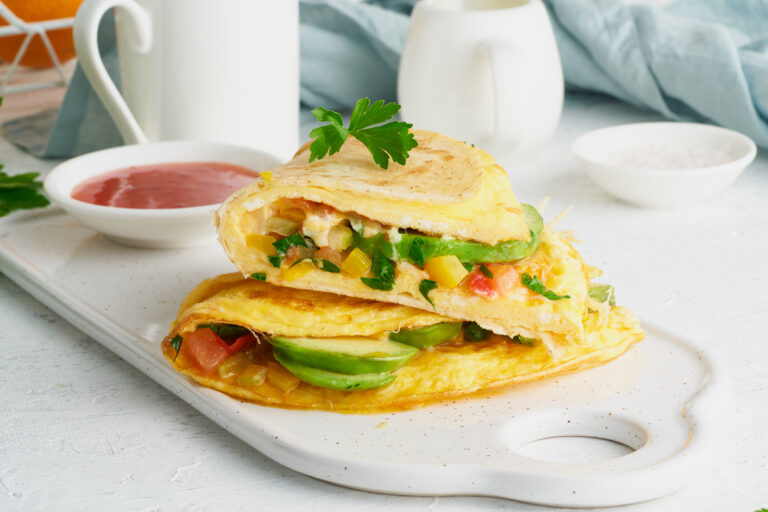
Food is about much more than nutrition. It connects us to family, heritage, celebrations, and cherished memories. Across Richmond’s diverse communities, cultural traditions bring people together around meals that have often been passed down through generations. These foods represent history and identity, making them an important part of a healthy and fulfilling lifestyle.
At the same time, some traditional recipes were originally developed for lifestyles that involved far more physical labor than many people experience today. Modern portions, convenient ingredients, and frequent celebrations can also influence long-term weight management.
The good news is that improving your health doesn’t mean giving up the foods that matter most. Instead, small, sustainable adjustments can help you continue enjoying cultural favorites while supporting your wellness goals.
Culture Plays an Important Role in Eating Habits
Every culture has unique approaches to food, from ingredients and cooking methods to meal timing and social customs. These traditions often offer valuable nutritional benefits.
Many cultural cuisines naturally include:
- Fresh vegetables
- Beans and legumes
- Whole grains
- Lean proteins
- Herbs and spices for flavor instead of excess sugar or salt
However, modern lifestyles can change how these meals are prepared. Restaurant portions, processed ingredients, sugary beverages, and larger serving sizes may contribute to higher calorie intake without offering the same nutritional value as traditional home-cooked meals.
Recognizing these changes can help people make informed choices while still honoring family traditions.
Richmond’s Diverse Food Culture
Richmond is home to people from many cultural backgrounds, each bringing unique culinary traditions to the community. Rather than viewing any cuisine as “good” or “bad,” it’s more helpful to look at preparation methods and overall eating patterns.
Southern Comfort Foods
Traditional Southern cooking often features fried foods, biscuits, creamy casseroles, barbecue, and sweet desserts. These meals can certainly fit into a balanced lifestyle, especially when paired with vegetables and prepared using lighter cooking methods when appropriate.
For example, baking instead of frying certain dishes or adding more seasonal vegetables to the plate can increase nutritional value without sacrificing familiar flavors.
Latin American Cuisine
Many Latin American meals naturally include nutritious ingredients such as beans, rice, vegetables, lean meats, avocados, and fresh salsa. Choosing grilled proteins, incorporating additional vegetables, and being mindful of portion sizes for higher-fat toppings can help support weight management while preserving authentic flavors.
Asian Cuisine
Traditional Asian diets often emphasize vegetables, seafood, tofu, rice, and fermented foods. When dining out, however, some dishes may contain larger amounts of sodium, added sugars, or oils than homemade versions. Opting for steamed, grilled, or lightly sautéed preparations can provide a satisfying alternative while maintaining traditional tastes.
Mediterranean Influences
Mediterranean-inspired eating patterns are frequently associated with heart-healthy ingredients such as olive oil, fish, legumes, vegetables, fruits, and whole grains. Even within this style of eating, portion awareness remains important, particularly for calorie-dense foods like oils, nuts, cheeses, and breads.
Family Gatherings Can Present Unique Challenges
Many cultural celebrations center around food. Holidays, birthdays, weddings, and religious events often feature large meals with multiple courses and homemade desserts.
Rather than feeling pressured to avoid these occasions, consider focusing on enjoying both the food and the people around you.
Helpful strategies include:
- Eat slowly and savor favorite family recipes.
- Fill part of your plate with vegetables or fruit when available.
- Choose the dishes that are most meaningful instead of sampling everything.
- Pay attention to fullness cues throughout the meal.
- Enjoy desserts intentionally rather than out of habit.
These approaches allow people to participate fully in celebrations without feeling deprived.
Healthy Adaptations Don’t Mean Losing Tradition
Many beloved family recipes can be adjusted in small ways while preserving their cultural significance.
Simple modifications may include:
- Using leaner cuts of meat in traditional recipes
- Incorporating additional vegetables into soups, stews, and casseroles
- Reducing added sugars in certain desserts without changing the overall recipe
- Choosing baking, roasting, or grilling for some dishes
- Using herbs, citrus, garlic, onions, and spices to enhance flavor naturally
These gradual changes often become part of new family traditions while maintaining the spirit of the original recipe.
Food Is Also Emotional
Cultural foods often carry emotional meaning. They remind us of childhood, grandparents, family gatherings, holidays, and important life events. Because of these strong connections, changing eating habits can sometimes feel like letting go of part of one’s identity.
Acknowledging these emotions is an important part of building sustainable habits. Rather than eliminating favorite foods, many people find greater success by creating a balanced approach that includes both traditional meals and everyday nutritious choices.
Personalized Support Makes a Difference
There is no single eating pattern that works for everyone. Cultural background, family traditions, personal preferences, health history, and lifestyle all influence the choices that feel realistic and enjoyable.
At Weight Loss RVA, personalized weight management plans are designed to work with your lifestyle—not against it. The goal is to help patients develop sustainable habits that support long-term wellness while respecting the foods and traditions that matter most.
When healthy choices fit naturally into everyday life and cultural traditions, they become much easier to maintain for years to come.