
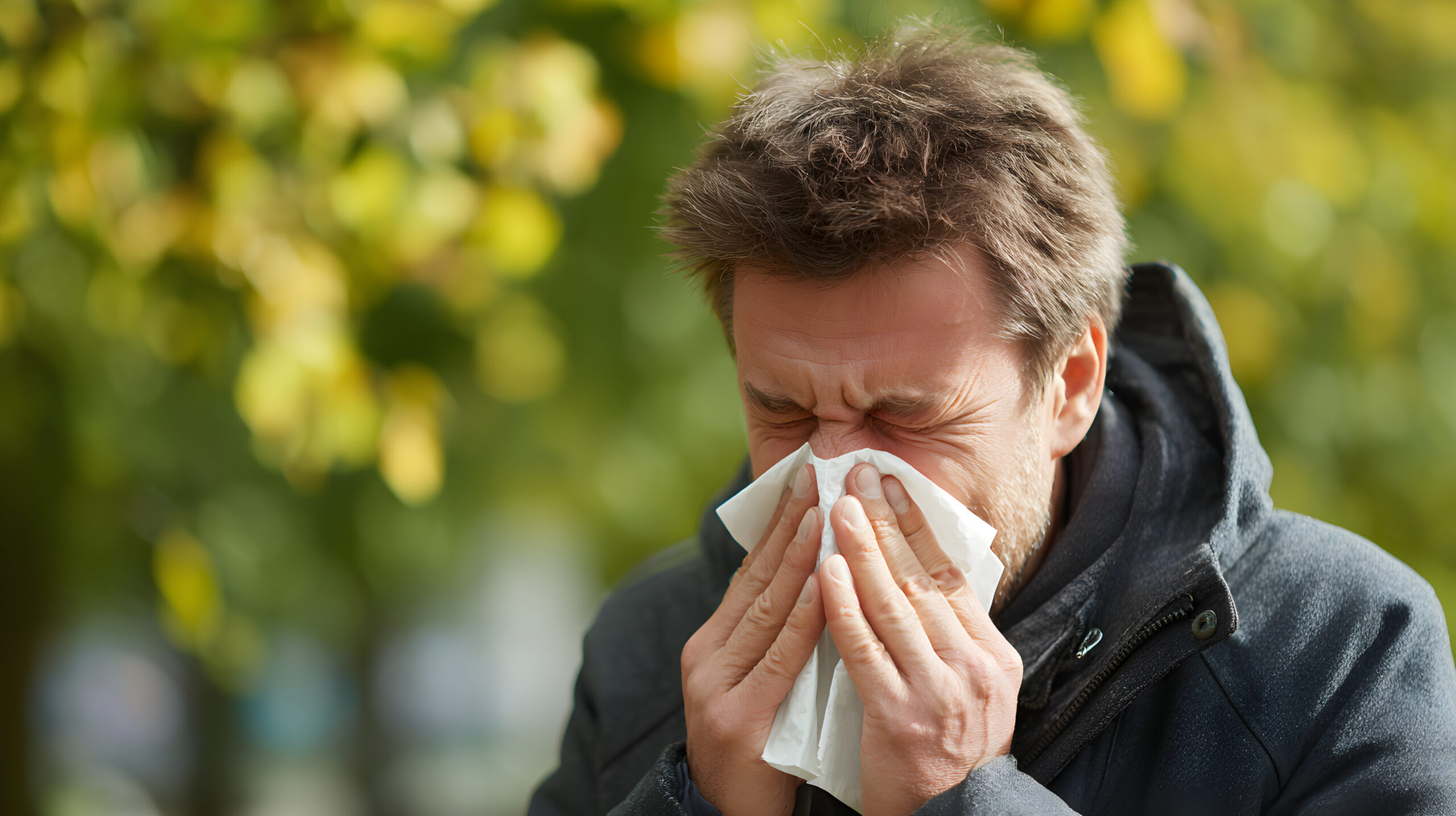
Spring sunshine and blooming flowers can feel like a double-edged sword in Richmond: gorgeous scenery comes with a heavy dose of pollen and other seasonal allergens. For many, allergies aren’t just a nuisance—they disrupt sleep, trigger inflammation, and can make healthy habits harder to maintain. If you’re juggling weight management goals and seasonal sniffles, you’re not alone. Let’s explore how allergies impact your body, the role of inflammation in weight, and practical ways to keep both your waistline and your symptoms in check.
The Hidden Connection: Allergies, Inflammation, and Weight
Most people think of allergies as just runny noses and itchy eyes, but the story goes deeper. When your body encounters allergens like pollen, it ramps up its immune response, leading to inflammation. Chronic inflammation is linked to weight gain and difficulty losing weight. That’s because inflammation can disrupt hormones involved in hunger, satiety, and fat storage.
Many people in Richmond notice that during peak allergy season, their sleep quality drops due to nasal congestion or coughing. Poor sleep, in turn, is a well-documented risk factor for weight gain. Your body craves high-calorie comfort foods when you’re tired, and your metabolism slows down. So, managing allergies isn’t just about feeling better—it’s about supporting your overall weight management journey.
Foods That Help: Supporting Immunity and Reducing Allergic Reactions
You might be surprised to learn that certain foods can help your body fight inflammation and even lessen the severity of allergy symptoms. Nutrient-rich, anti-inflammatory foods don’t just support your immune system—they can keep you feeling satisfied and energized, making it easier to maintain healthy habits during allergy season.
Omega-3 Fatty Acids: Found in fatty fish like salmon, walnuts, and flaxseeds, omega-3s may help lower your body’s inflammatory response. Incorporating these into meals a few times a week could help ease both allergy symptoms and support healthy weight.
Vitamin C-Rich Foods: Citrus fruits, strawberries, bell peppers, and broccoli are high in vitamin C, which acts as a natural antihistamine. Vitamin C can help reduce the severity of allergic reactions.
Probiotics: A healthy gut supports a healthy immune system. Foods like yogurt, kefir, and naturally fermented vegetables provide probiotics that may lessen allergy symptoms and reduce inflammation.
Quercetin: This antioxidant, found in apples, onions, and berries, may help stabilize histamine-releasing cells and calm allergic reactions.
Focus on whole, minimally processed foods, and stay hydrated with water or herbal teas. These choices not only help with allergies but also keep you feeling full and energized for longer.
Smart Strategies for Avoiding Weight Gain During Allergy Season
Allergy symptoms often push people toward less-healthy habits—think comfort snacking or skipping the farmer’s market to avoid pollen. The good news? You can sidestep these pitfalls with a few mindful tweaks to your routine.
First, be gentle with yourself. If you’re feeling foggy or fatigued, it’s okay to scale back on ambitious meal prep. The goal is balance, not perfection. Keep healthy snacks like pre-cut veggies, hummus, or fruit within easy reach. This makes it easier to grab nourishing options when cravings hit.
Try to plan meals around anti-inflammatory foods, especially during high pollen days. Local honey is sometimes touted as a natural allergy remedy, but scientific evidence for its effects is mixed. Still, it can be a tasty, lower-glycemic alternative to sugar in moderation.
If allergies are making you feel lethargic, prioritize rest and hydration. Getting enough sleep and drinking water can help curb stress-eating and keep your immune system strong. If you struggle with sleep due to congestion, consider using a HEPA filter in your bedroom or taking a warm shower before bed to clear your sinuses.
Navigating Allergy Triggers in Richmond, VA
Richmond’s changing seasons bring vibrant scenery—and their own unique pollen patterns. Keeping up with local pollen counts can help you plan your outdoor activities and even your meals. Be sure to check resources like Richmond’s pollen forecast before heading out, whether you’re running errands or visiting a farmers’ market.
On days when pollen counts are high, keep your windows shut and shower after spending time outside. Make sure to wash fresh produce thoroughly to remove any lingering pollen or pesticides. These simple habits can help limit your exposure and keep you feeling your best.
The Benefits of Professional Guidance
Managing your weight during allergy season can feel overwhelming, especially if you’re tackling it alone. Working with a qualified weight management coach or nutritionist can help you create a plan that fits your lifestyle—and your allergies. At Weight Loss RVA, we’re here to support you with science-backed strategies, personalized advice, and a compassionate approach to your health journey.
If you’re ready to take the next step, reach out to us for a free consultation or browse our blog for more tips on healthy living in Richmond.